
Instructor: Jessica Beels
Materials Fee: $75
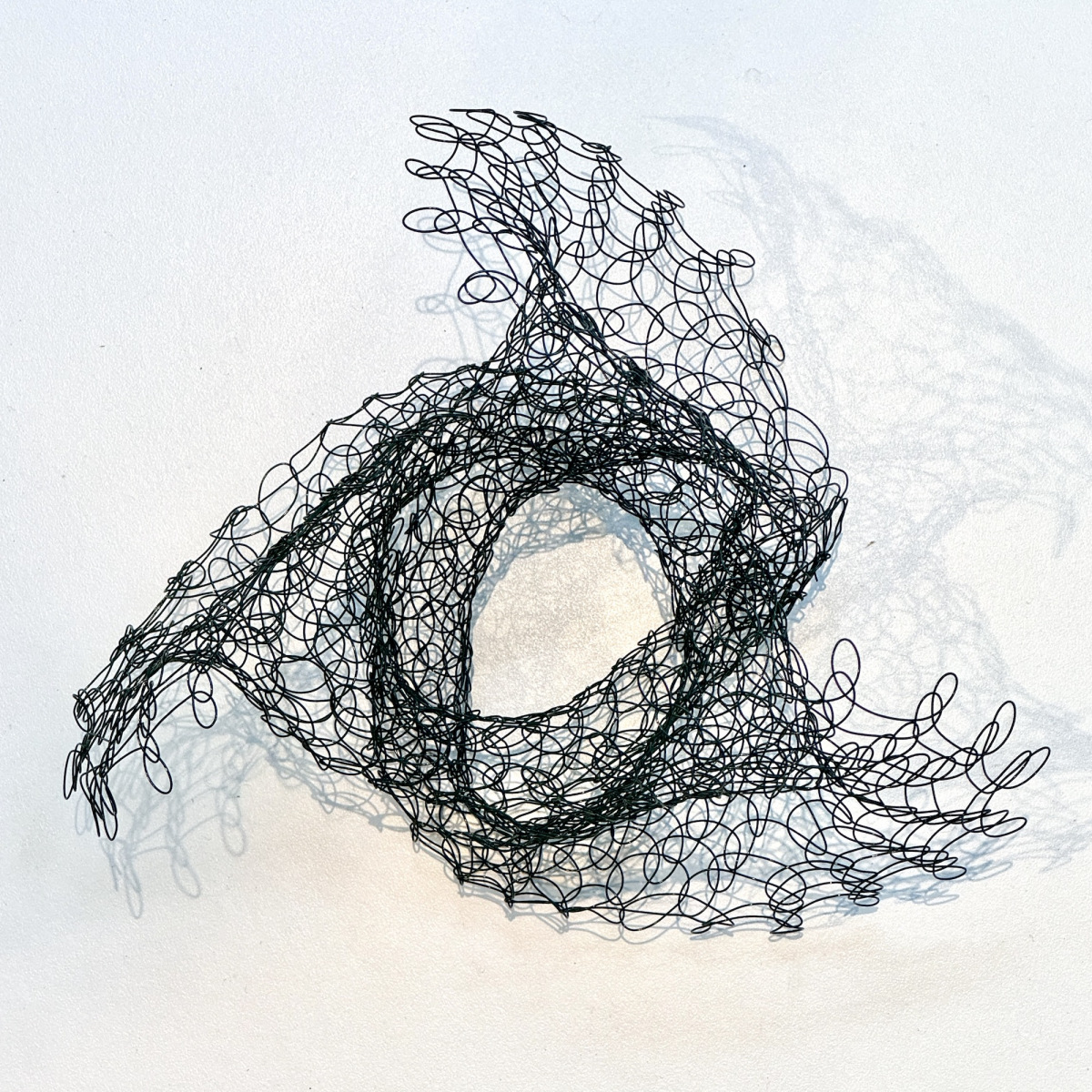
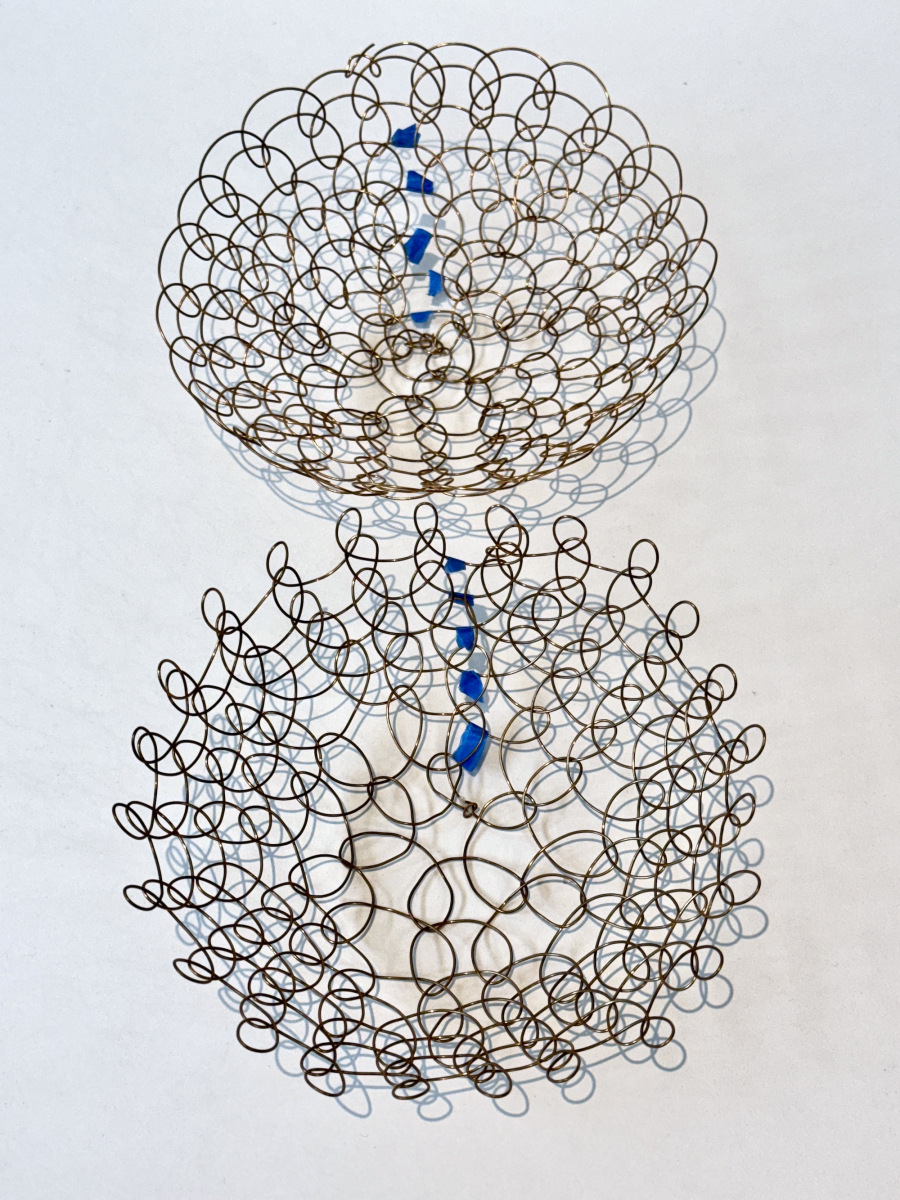
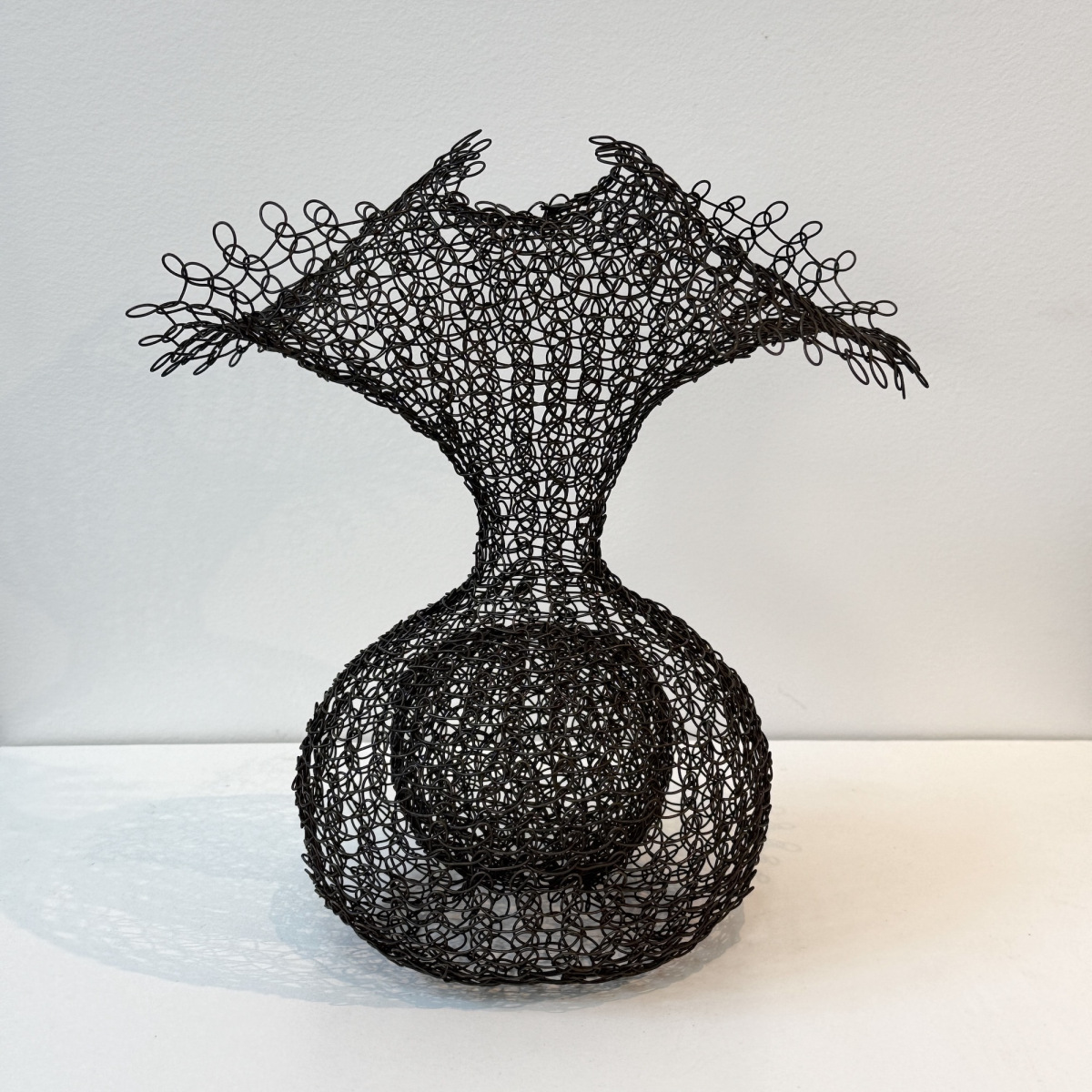
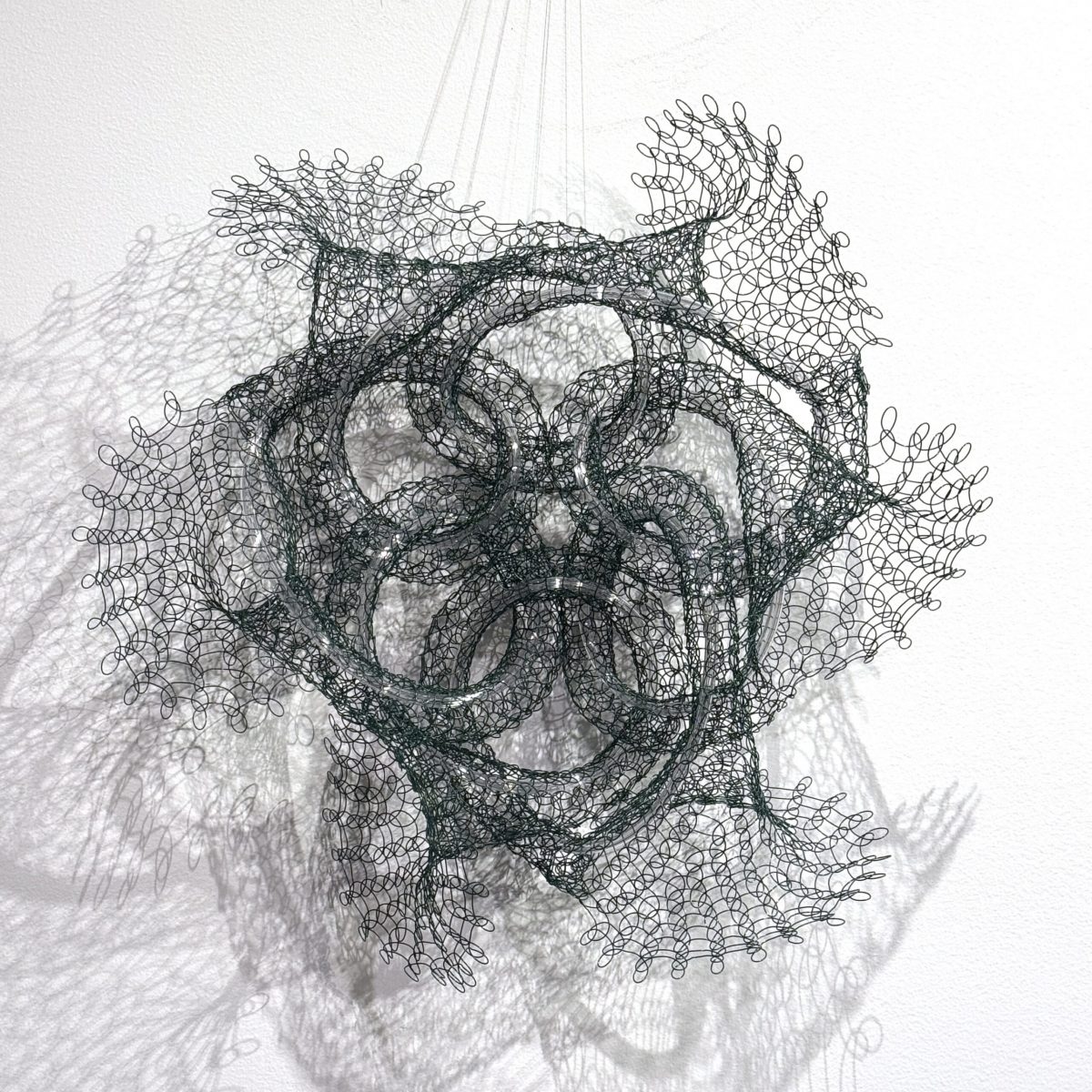
The workshop will explore the wire looping technique that Ruth Asawa learned in Mexico and used for her iconic sculptures. The purpose of this workshop is not to recreate Asawa’s work, but rather to use what we can learn from her forms to extrapolate in new directions and push elements of the technique toward our own personal expressions.
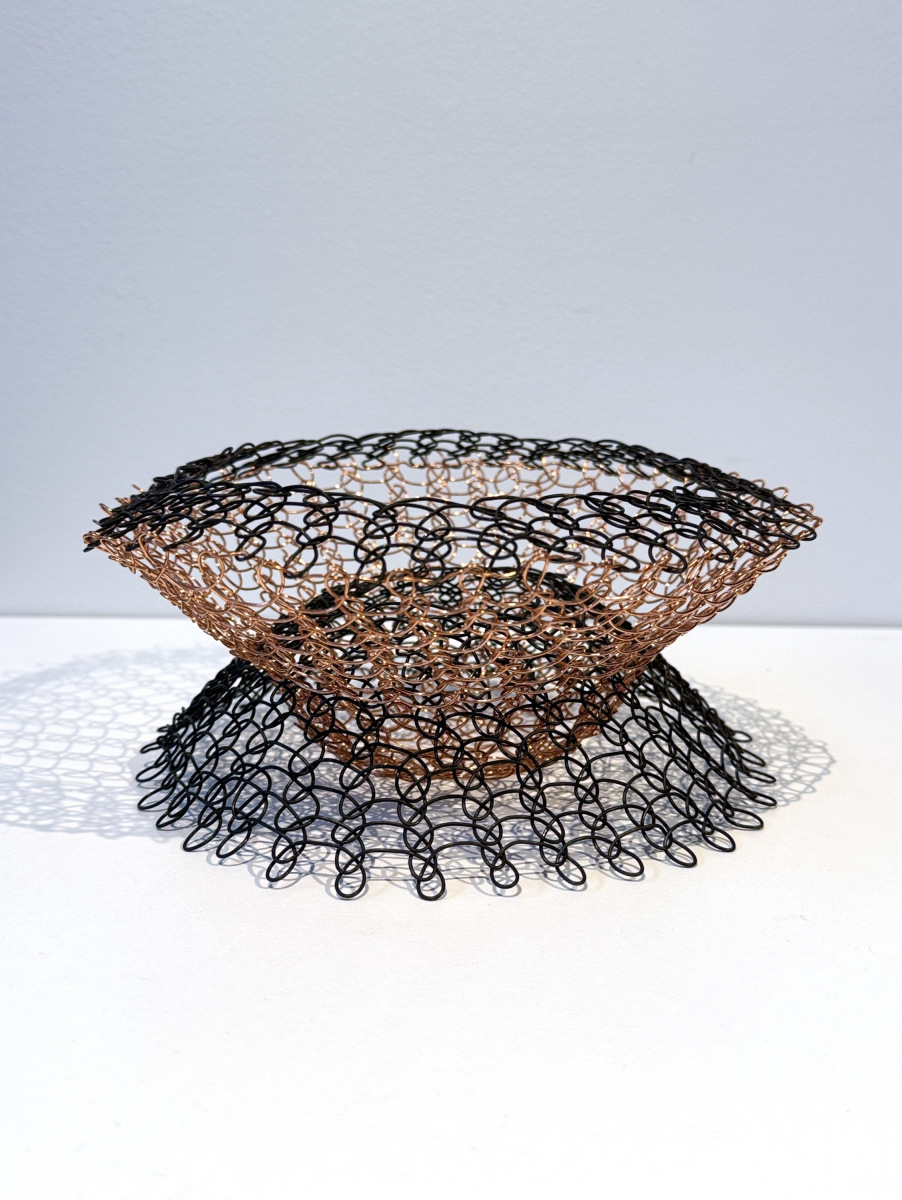
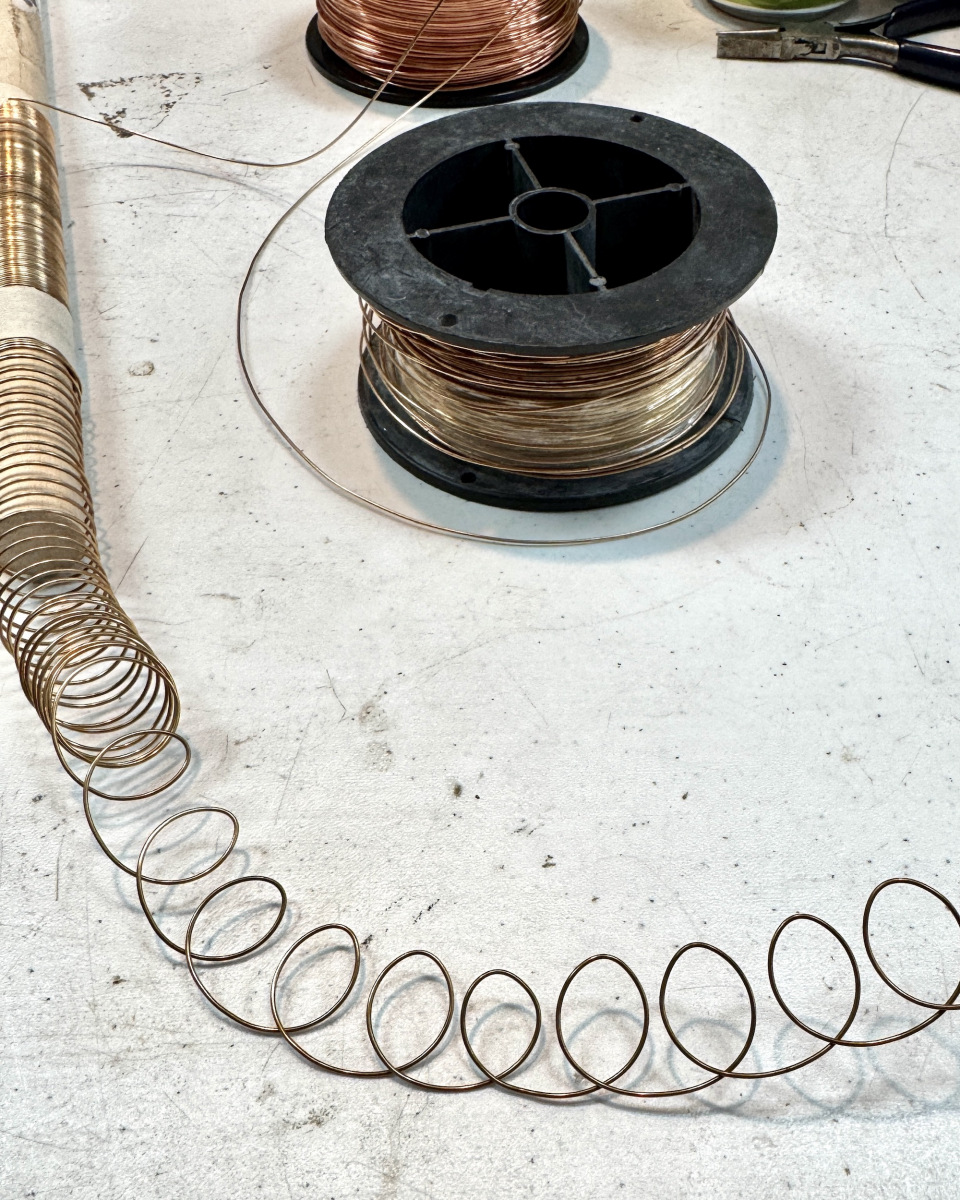
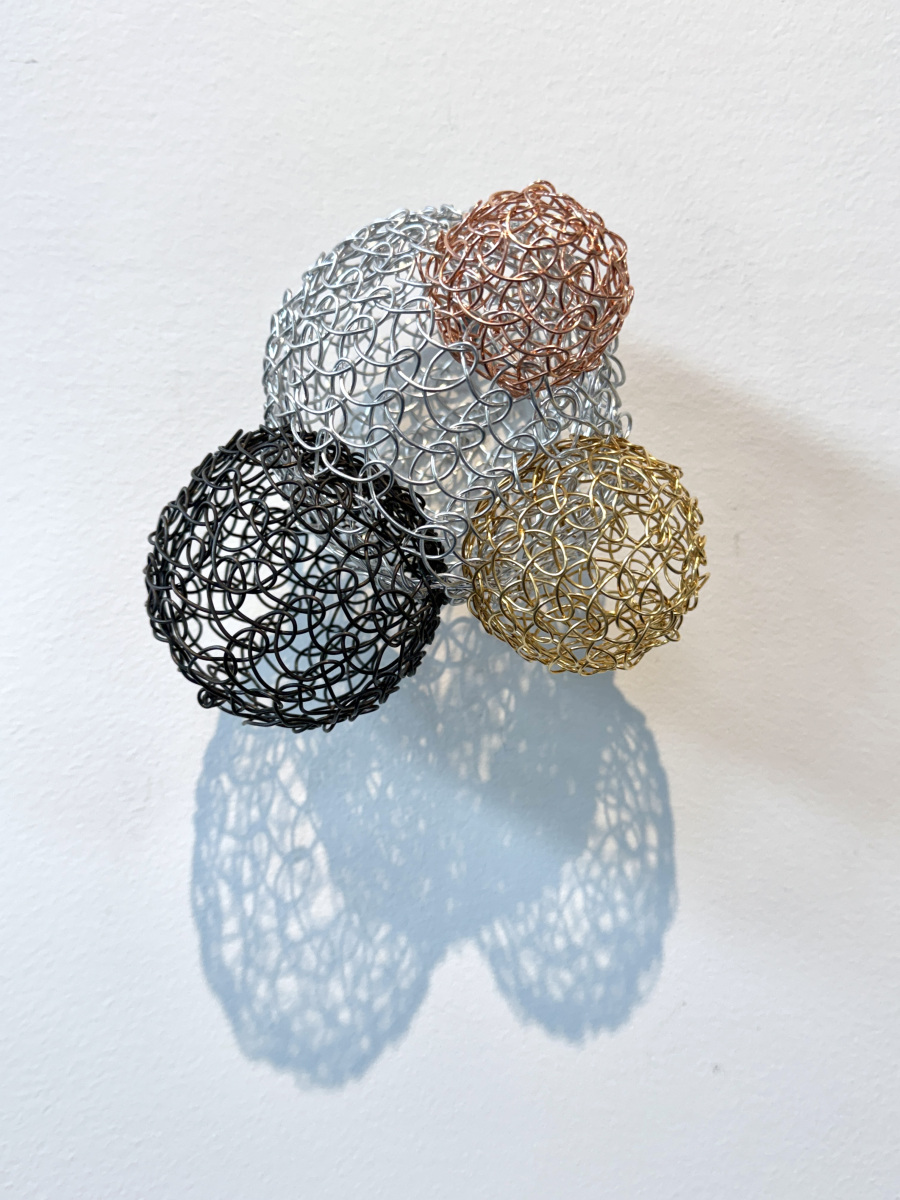
A version of knotless netting or continuous looping, it starts with wrapping soft wire (e.g., annealed steel or copper) around a dowel to create loops that are then tucked into each other. This workshop will teach how to use this technique to make simple vessels and enclosed shapes as well as how to create intersecting structures and use increases and decreases to produce more complicated undulating and hyperbolic surfaces. Students will be able to complete at least a few small vessels or enclosed structures, with the option of larger and more complex forms depending on skill level and interest. The class will discuss how to create a larger collaborative form for the final conference show.
Hand strength and dexterity is helpful to try the full range of forms and materials discussed, but students will have simpler options through which they can learn the concepts and still have ample experimental range. Familiarity with working with wire and hand tools (jewelry pliers and wire cutters) a definite plus, but not required.
In this workshop, students will learn:
- Basic information about working with wire (types of wire, work hardening, hand tools, safety) as well as simple wire connections and finishing methods
- Intro to variations on knotless netting/looping technique and the advantages of the one we will focus on (maximizes possibilities for scale and flexibility)
- Some accommodations for students with limited hand strength or dexterity (especially wire type and scale)
- How to make simple forms – bowl, cone, tube, sphere – using increases and decreases
- How to create intersections between forms and plan for more complex interconnected structures
- How to make undulating and hyperbolic surfaces with extreme increases and decreases
- Discussion of choices re scale, weight, longevity, patina, function
- Choices that affect use and display options and longevity – hanging vs wall vs pedestal/floor
- Options for finishing and connections – additional wire techniques as well as surface finishes like spray lacquer
- Students will be able to complete at least a few small vessels or enclosed structures, with the option of larger and more complex forms depending on skill level and interest
- Students will be encouraged to contribute to a larger collaborative form for the final conference show
Materials Fee: $75
Materials included in materials fee:
- 20 ga dark annealed steel round wire (as needed, up to 5 lbs.)
- 20 ga round copper wire (as needed, up to 1 lb.)
- 24 ga (150 ft) or 26 ga (250 ft) green floral wire
- 1/2″ foot-long wooden dowel
Tools that will be provided for you:
- Crochet hooks (medium sizes, c sizes, 4.5-5.5mm or G-I)
- Extra wooden dowels 1/2″ and 3/4″
- Wire cutters
- Round nosed or jeweler’s pliers
- Finger cots or lightweight gloves
- Graph paper
- Spray finish (optional)
Tools you will need to bring:
- Notebook/paper
- Pens/pencils
- Optional:
- Any other wire you wish to experiment with (preferably 20-24 gauge)
- Finger cots or snug fitting lightweight gloves
- Crochet hooks
- Needle nosed pliers
- Small wire cutters